Botanical Christian Cross Embroidery Design Review
As an experienced embroidery designer, I recently had the opportunity to review the Botanical Christian Cross embroidery design for potential use in small business merch and branded patches. The title alone—"Botanical Christian Cross"—suggests a thoughtful blend of faith and nature, which immediately caught my attention as a concept with strong visual appeal and brand storytelling potential.
First Impressions: A Delicate Balance of Faith and Nature
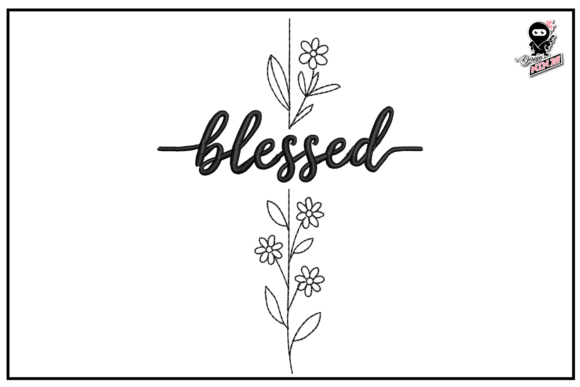
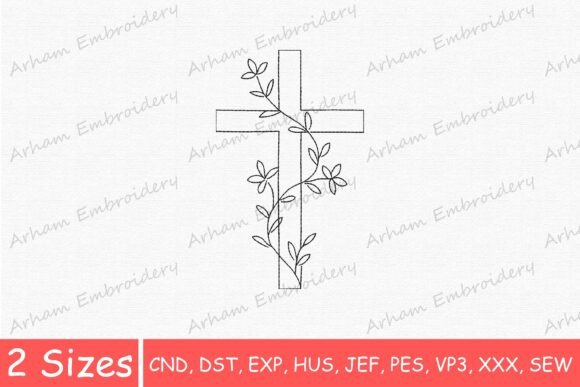
The Botanical Christian Cross presents itself as an elegant and professional machine embroidery design. Its description promises a "classic cross adorned with graceful leaves and delicate botanical elements," and upon opening the digital embroidery file, I found it delivers on that promise. The design has a premium feel with soft curves and intricate leaf detailing that suggests a modern yet timeless aesthetic. It's not overly ornate, nor is it too minimal—it strikes a perfect balance between spiritual symbolism and natural beauty.
This kind of design could resonate well with businesses that want to express a sense of mindfulness, community values, or personal faith without being overtly religious. The botanical aspect adds a layer of warmth and approachability, making it suitable for both faith-based and secular small business branding.
Real-World Business Applications
The versatility of the Botanical Christian Cross makes it ideal for various commercial embroidery projects. Here are some practical applications I see for this design:
- Embroidered Patches: This design would work beautifully as a patch for tote bags, jackets, or uniforms. The leafy details add dimension and interest, making it stand out while still feeling cohesive and intentional.
- Chest Logo Accent: As a subtle chest logo on staff uniforms or branded work shirts, the Botanical Christian Cross can convey professionalism with a touch of personality. It’s refined enough for office settings but warm enough for retail environments.
- Sleeve Detail: On custom apparel like hoodies or long-sleeve shirts, using this design as a sleeve accent gives a stylish and meaningful finish without overwhelming the main branding.
- Cap Embroidery: For cap designs, especially on the back or side panels, the Botanical Christian Cross offers a decorative yet legible option that aligns with eco-conscious or faith-oriented themes.
- Tote Bag Marking: When placed centrally on a canvas tote bag, this design becomes a statement piece—ideal for boutique merchandise or event gifts where quality and aesthetics matter.
- Apron Embroidery: In cafés, bakeries, or florists, adding the Botanical Christian Cross to aprons subtly reinforces brand identity while giving staff a polished look.
- Product Packaging Accents: The design could also serve as a small embroidered mark on reusable packaging, gift tags, or pouches, enhancing the perceived value of handmade products.
Brand Identity & Visual Consistency
Incorporating the Botanical Christian Cross into your design assets can significantly enhance brand identity. The mix of faith and nature is powerful for businesses looking to build customer trust and emotional connection. Whether you're a local café promoting a line of organic coffee mugs or a craft business selling hand-stitched journals, this design can help establish a consistent and recognizable visual theme across your product range.
Its elegance ensures it doesn’t clash with other design elements, allowing for seamless integration into your existing branding. That said, it’s important to ensure thread colors match your overall palette and that the placement complements other logos or text in your finished product.
Where to Use Carefully
While the Botanical Christian Cross is visually appealing, there are certain scenarios where extra care is needed to maintain its integrity:
- Small Patch Sizes: The detailed outlines may become less clear if used at a very small scale. Always test how it looks at the intended size before mass production.
- Cap Fronts: Due to limited space, placing this design on the front of caps might require simplification or resizing. Consider using it on the back panel instead for better visibility.
- Curved Surfaces: The flow of the leaves and cross should be examined for distortion when applied to curved surfaces like sleeves or hats. Proper spacing is key here.
- Textured Fabric: The stitch density and detail may be affected by fabric texture. Smooth cotton blends tend to showcase the design best.
- Dark Uniforms: Thread color contrast is crucial. Lighter thread colors will pop more on darker backgrounds, so plan accordingly.
- Frequent Washing: If the design is used on items like aprons or tote bags that undergo frequent laundering, consider using high-quality threads and proper stabilizers to prevent fraying or fading over time.
Designer Notes for Optimal Results
Here are some practical tips I recommend when working with the Botanical Christian Cross embroidery design:
- Test in Black and White First: Before finalizing thread colors, try rendering the design in grayscale to evaluate how the shapes and lines interact.
- Check Small Patch Size Compatibility: Resize the design to your smallest intended application (e.g., a 2"x2" patch) to assess clarity and detail retention.
- Review Thread Color Contrast: Ensure the design stands out against the background fabric. Avoid using similar tones unless it's intentional for a minimalist effect.
- Inspect Spacing and Layout: Make sure there’s enough negative space around the design to avoid crowding, especially when combining it with text or other graphics.
- Confirm Hoop Size: While hoop size wasn't specified in the product description, always verify what hoop dimensions are required for your machine and fabric type.
- Test on Real Fabric: Digital files look great on screen, but their performance can vary depending on fabric weight and weave. Do a sample run to check stitch tension and coverage.
- Use Proper Stabilizer: Given the detailed outline and potential for higher stitch density, a good cutaway or tear-away stabilizer is essential to keep the design crisp and clean.
- Create a Printable Mockup: Present a mockup to your client showing how the design appears on actual garments or products. This helps set expectations and secure approval before production.
- Compare Beside Other Design Assets: Evaluate how this design works alongside your current branding. Does it complement or compete? Maintain visual harmony throughout all materials.
- Confirm Commercial Licensing: Since this is a digital embroidery file, make sure the licensing terms allow for commercial use and rebranding for your specific business needs.
Impact on Brand Perception and Engagement
When integrated thoughtfully, the Botanical Christian Cross can elevate the perception of your brand. Its natural motifs and spiritual undertones create a sense of authenticity and intentionality, which is increasingly valued in today’s market. Customers are more likely to engage with a brand that reflects a purpose beyond profit, and this design does just that.
It can also be used creatively in customer gifts, such as embroidered pendants or pin-back badges. These small tokens become memorable keepsakes that reinforce your brand message and encourage repeat visits or purchases.
Final Thoughts for Merch Creators
Overall, the Botanical Christian Cross is a compelling addition to any small business owner's design toolkit. It fits well within the Religion Faith category while offering enough visual depth to appeal to a broader audience. As an embroidery file, it brings a level of sophistication that can enhance everything from custom apparel to boutique product labels.
For Etsy sellers, handmade brands, and creative studios, this design provides a unique way to differentiate your offerings in a crowded marketplace. However, due to its detail-heavy nature, it requires careful planning and execution to ensure it performs well across different substrates and sizes.
If you're considering using the Botanical Christian Cross for commercial embroidery, take the time to understand how it interacts with your chosen materials and branding strategy. With the right approach, it can become a signature element of your visual identity and a meaningful representation of your brand’s values.